Museum of the Future
Museum of the Future’s The HEAL Institute is a permanent immersive exhibition commissioned by the Dubai Future Foundation that invites visitors to step inside living ecological systems. Across four interconnected environments, audiences engage with endangered ecosystems through real-time simulation, interactive video, sculptural light installation, and multisensory design. The experience places agency in visitors’ hands, allowing them to observe, conduct interventions, monitor consequences, and reimagine humanity’s role within planetary systems.
The HEAL Institute is a collection of immersive installations designed as a unified visitor experience set in the year 2071. Located on the fourth floor of the Museum of the Future, the project explores humanity’s evolving relationship with Earth’s endangered ecosystems, including the Amazon rainforest, and considers how science and technology play a part in our relationship to the planet and the living world.
Within the museum’s fictional journey to the future, The HEAL Institute forms the second chapter of the visitor experience. It shifts the narrative focus from space exploration to the living systems of Earth, highlighting ecology, biodiversity, and the interdependence between human and planetary health.
Marshmallow Laser Feast led the creative vision and experience design for The HEAL Institute, creating three large-scale interactive environments within the museum’s climate-focused floor. The project encompasses spatial installation, narrative development, interactive ecosystems, bespoke hardware, and applied science communication.
Commissioned by the Dubai Future Foundation and developed in collaboration with scientists, technologists, and partners including Superflux, Certain Measures and Atelier Brückner, The HEAL Institute is a permanent immersive exhibition on the museum’s fourth floor in Dubai.
Since opening, the Museum of the Future has welcomed over four million visitors, establishing itself as a global platform for speculative thinking and experiential learning. Within this context, The HEAL Institute engages a wide and diverse audience in urgent questions about planetary futures.
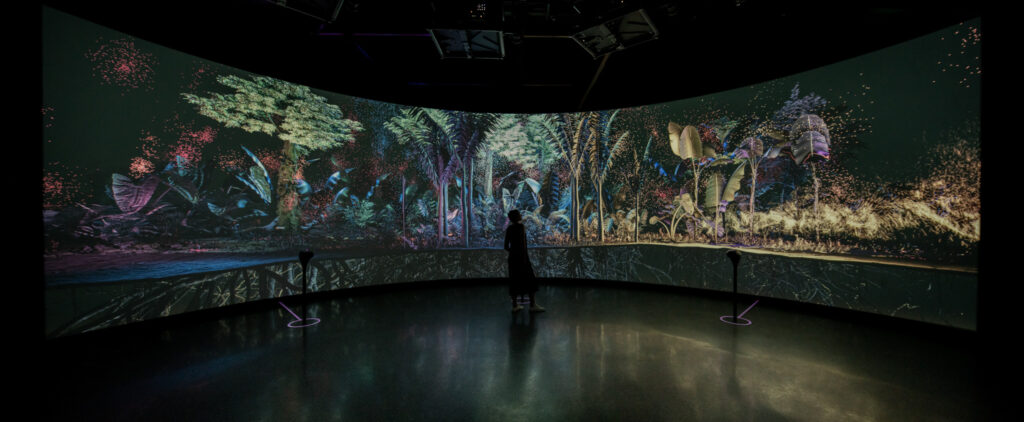
Conceived as a participatory, multisensory environment, The HEAL Institute translates complex ecological systems into embodied encounters that make the invisible forces sustaining life on Earth tangible and felt. Across four interconnected spaces, visitors are invited to engage with artificial intelligence, biodesign, and speculative bioengineering as tools for repairing damaged ecosystems.
Agency is placed directly in visitors’ hands. Through interaction, they observe the potential consequences of human actions, re-evaluating their relationship with the natural world, with technology, and with the dynamic systems that connect them. Rather than presenting ecology as abstract data, the experience positions audiences inside living systems, encouraging reflection through action.
Research and Collaboration
Each environment within The HEAL Institute began with extensive exploratory research, evolving into applied science communication through an artistic production process. Development involved literary research, ecological studies, and close collaboration with scientists and domain experts across disciplines.
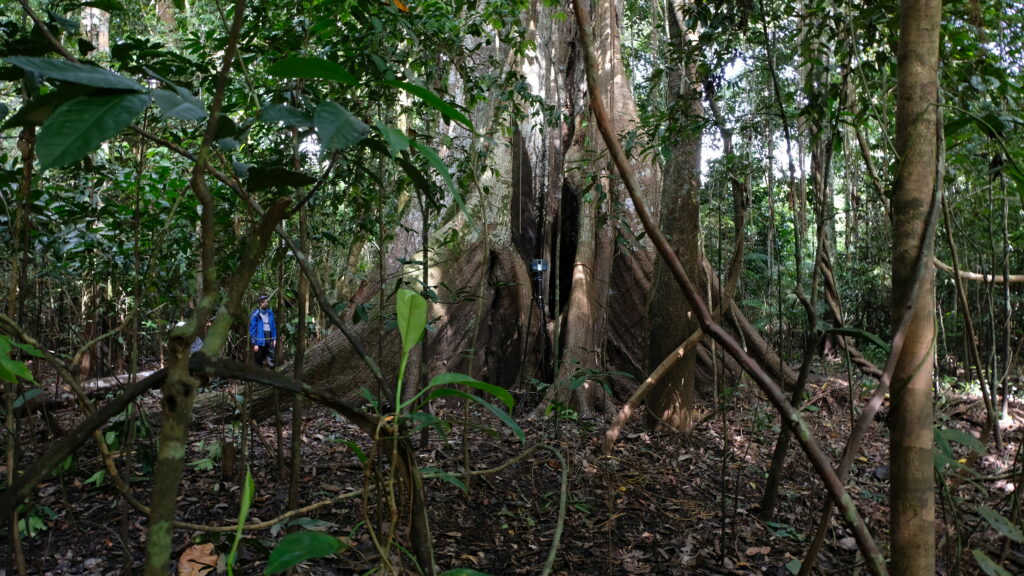
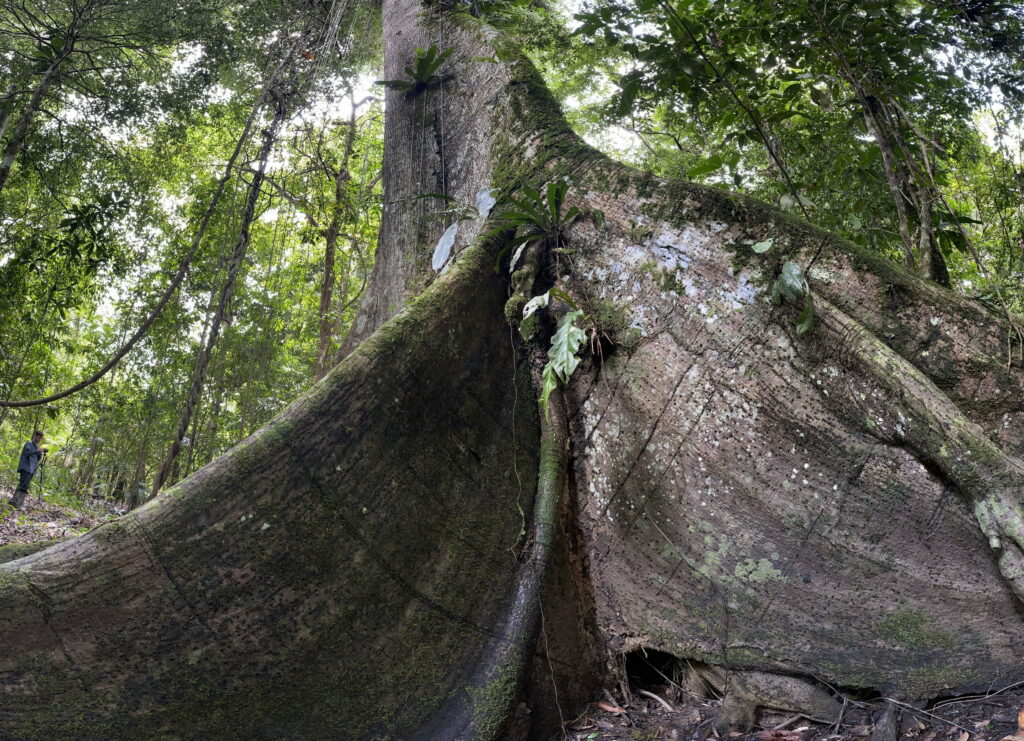
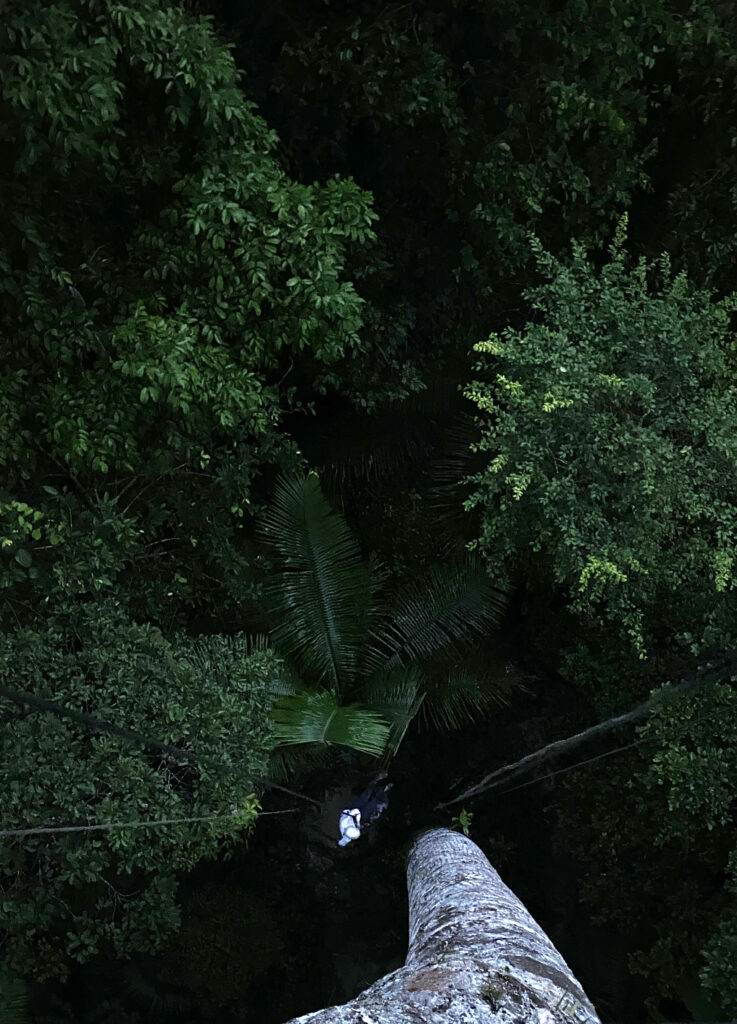
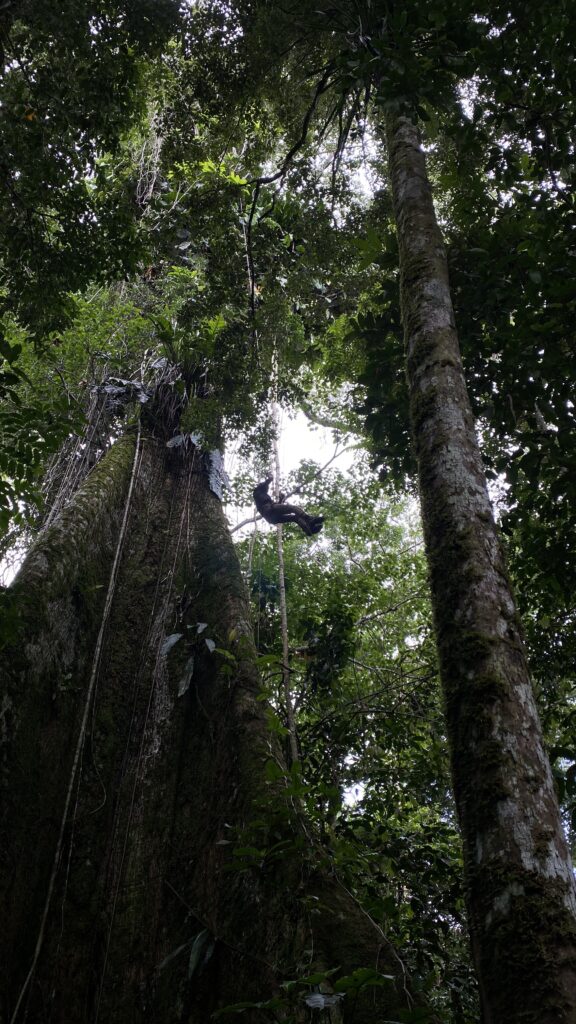
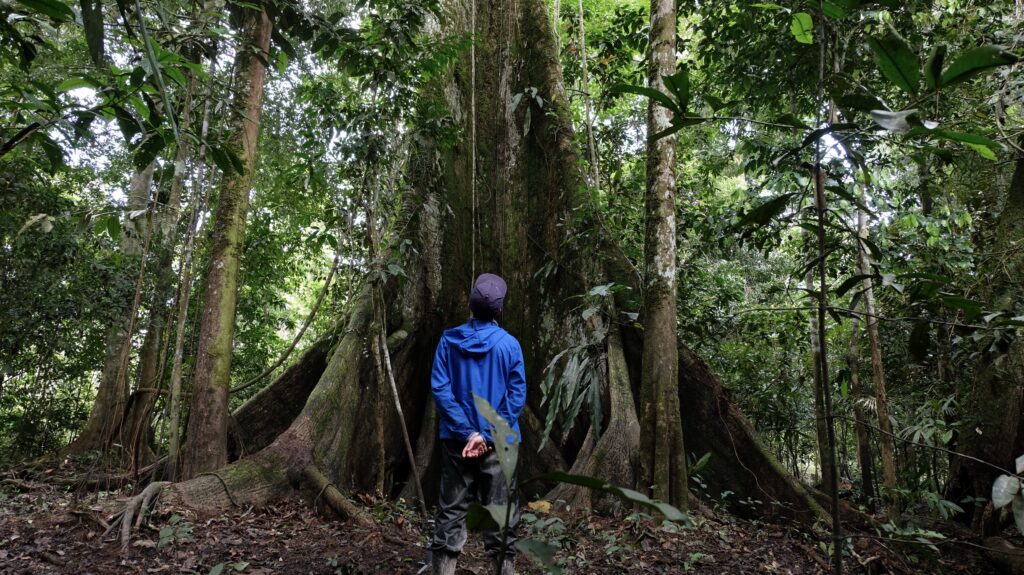
Research into interspecies relationships and water-flux systems was informed by the work of Dr Lucy Rowland. Tropical ecology and the central role of Ceiba pentandra were developed in dialogue with Flávia Fonseca Pezzini (Royal Botanic Garden Edinburgh). Field research in the Colombian Amazon drew on ecological surveys and ethnobotanical knowledge supported by Dr Carolina Lewis and Dr Andrés Barona, grounding the work in both scientific and cultural understandings of place. Ongoing consultation with the Stockholm Resilience Centre and Eden Project Cornwall ensured scientific accuracy and conceptual integrity.
A key challenge was navigating vast bodies of information while preserving complexity and accessibility. This synthesis led to the identification of ten core themes — including carbon sequestration, soil detoxification, pioneer species, and rainforest agriculture — which form the conceptual backbone of the entire floor. Each space explores these themes at different scales, creating a coherent yet layered journey through ecological interdependence.
Visitor Experience and Journey
The Biosynth – A Unifying Device
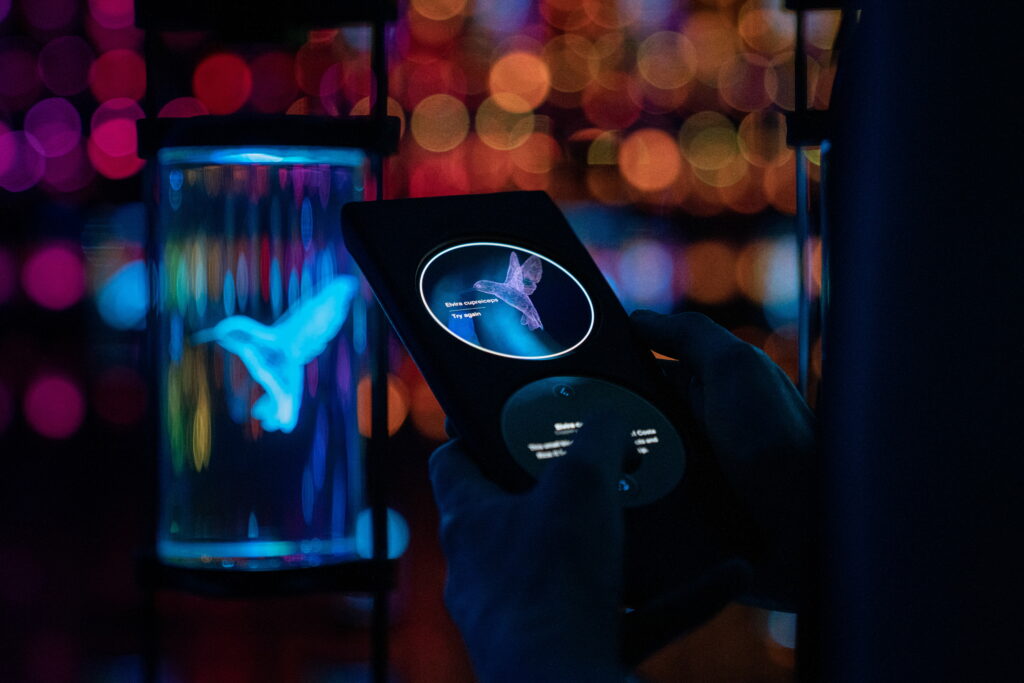
At the centre of the experience is the Biosynth, a custom-designed handheld device that evolves in function throughout the journey. Acting as magnifying lens, scanner, guide, and feedback mechanism, it connects all environments into a single adaptive system. The Biosynth is designed not to foreground technology itself, but to make ecological processes intuitive, legible, and emotionally resonant.
Room 1 — The Living Wall
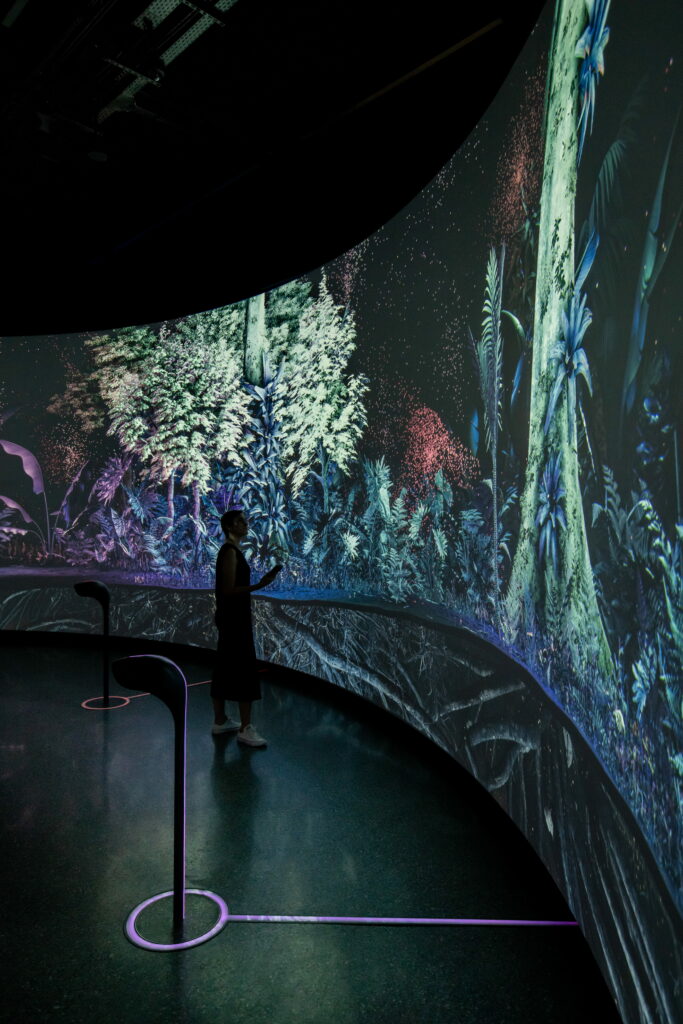
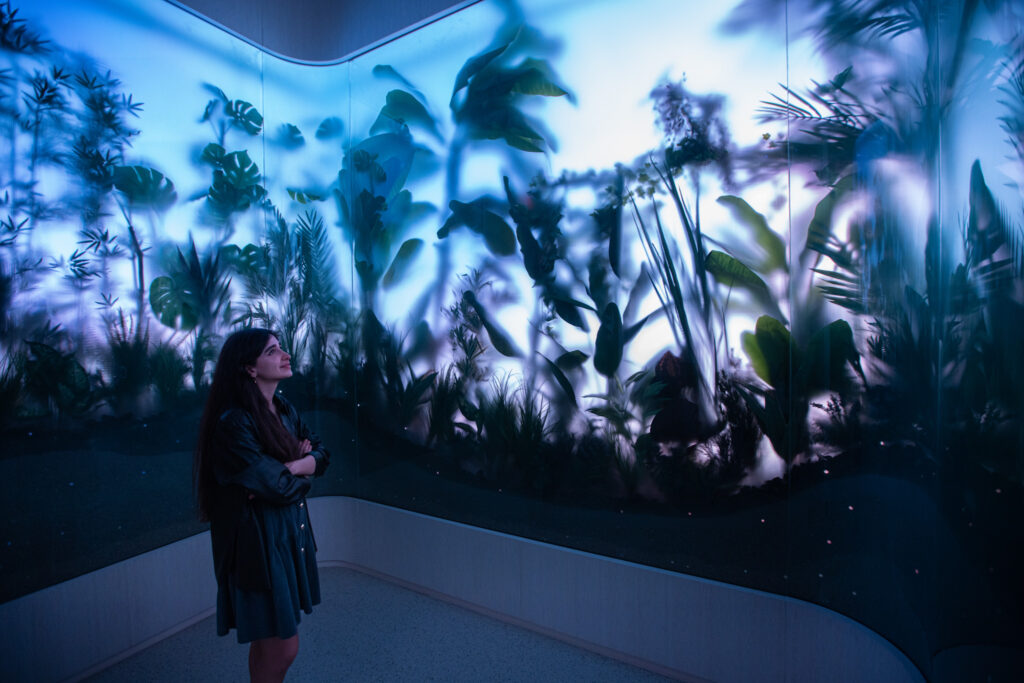
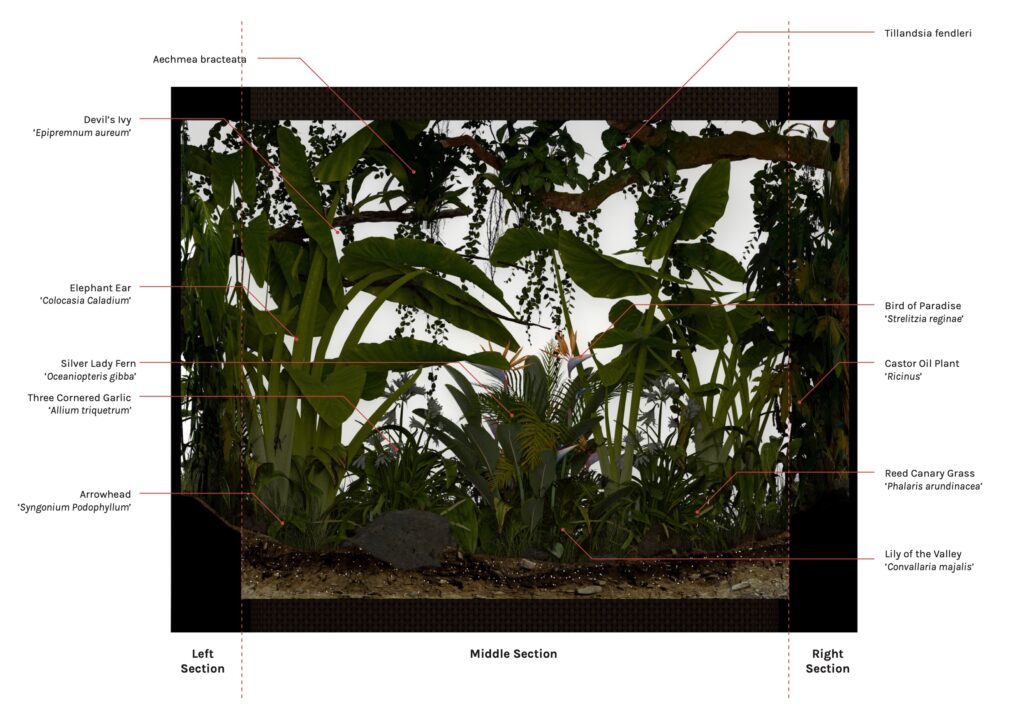
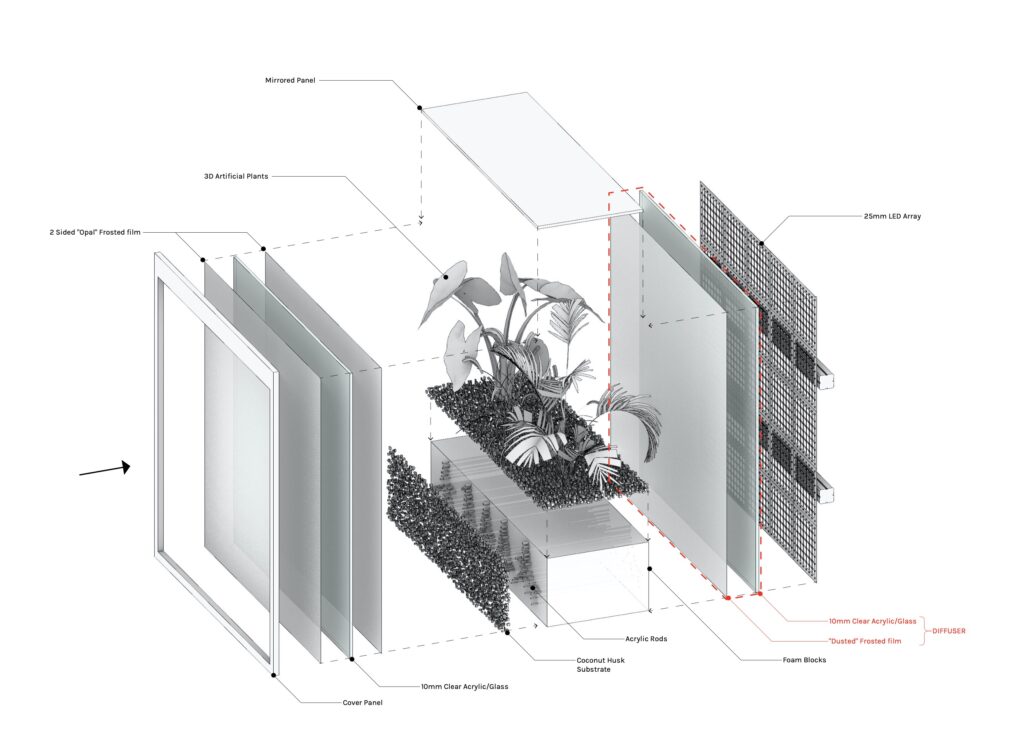
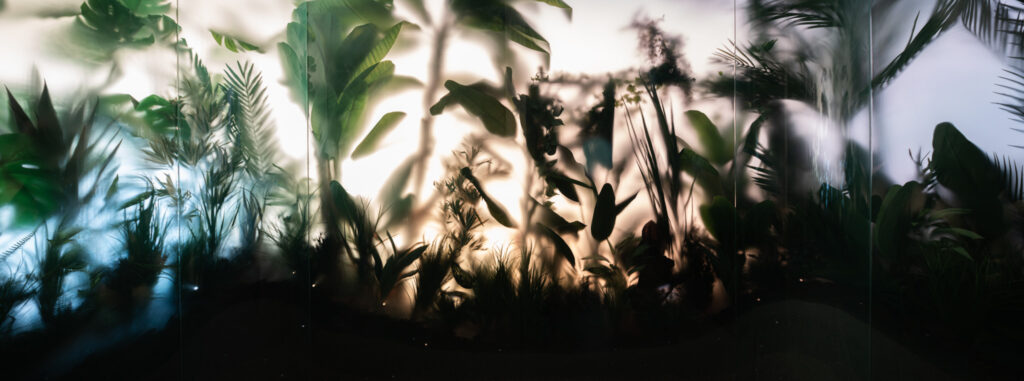
The Living Wall is a sculptural audiovisual installation offering a window into the fictional plant nursery of The HEAL Institute. Combining LED video, sculptural objects, glass panelling, artificial lighting, and eight-channel spatial audio, the installation simulates a controlled climate environment where seasons pass and shadows come alive.
Focusing on the health of a micro-ecosystem, the work narrates how plant species evolve, communicate, and survive climatic change. A multilayered composition reveals different species and developmental stages, with trunks, branches, and leaves visible above ground while roots and soil systems are exposed below. Physical and digital layers combine to create depth, complexity, and a living tableau that conveys bio-information through form, movement, and sound.
Room 2 — The Forest
Exploring an Endangered Ecosystem
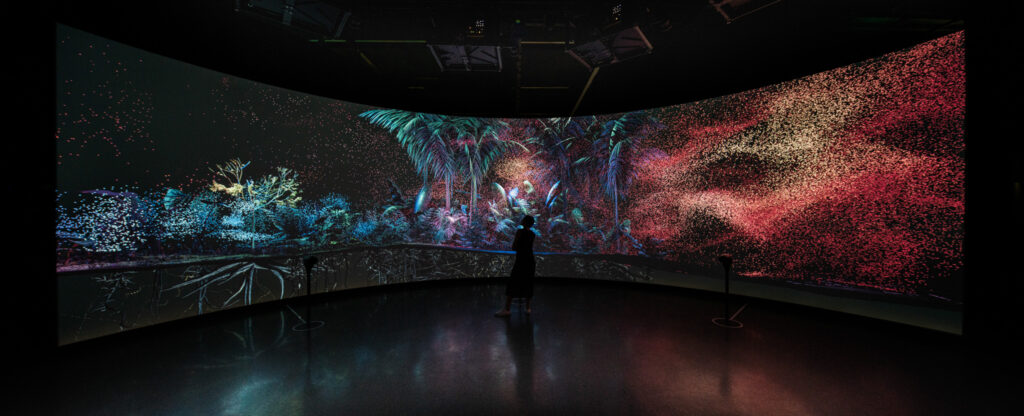
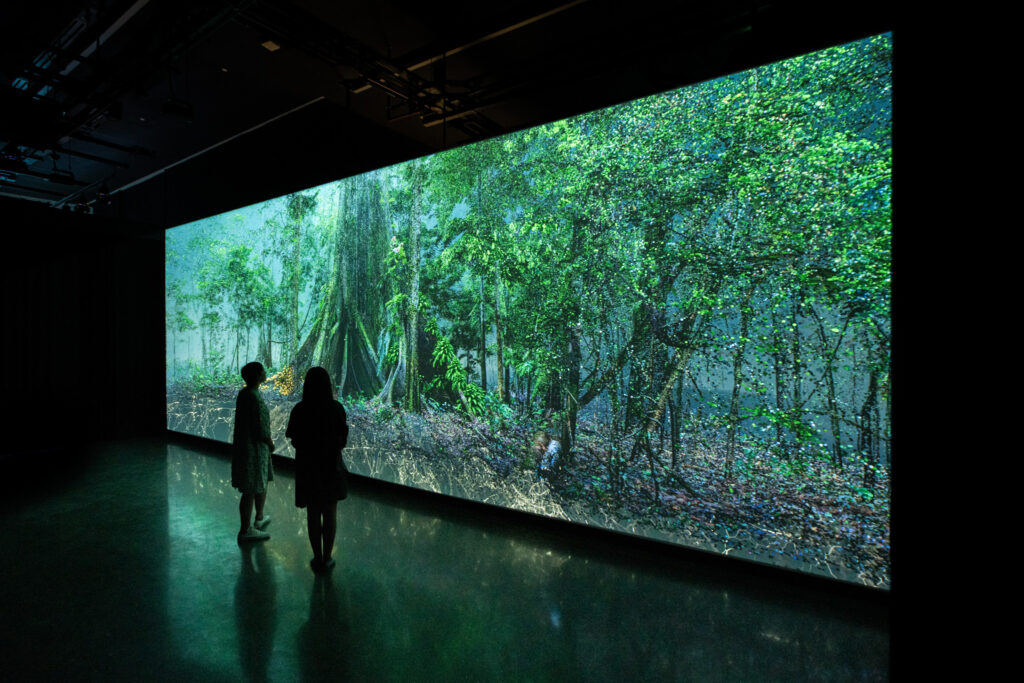
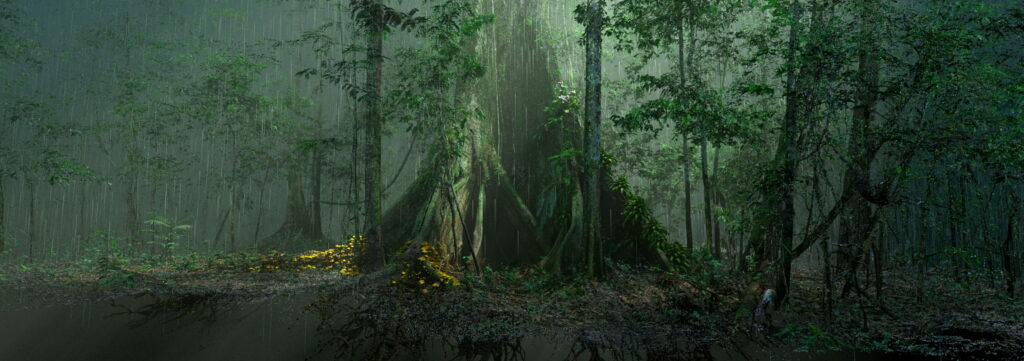
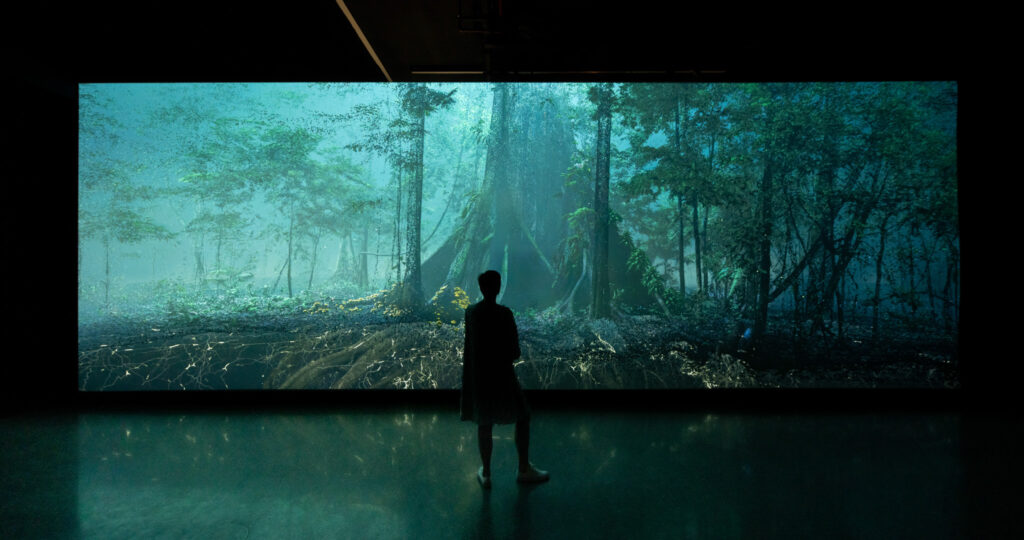
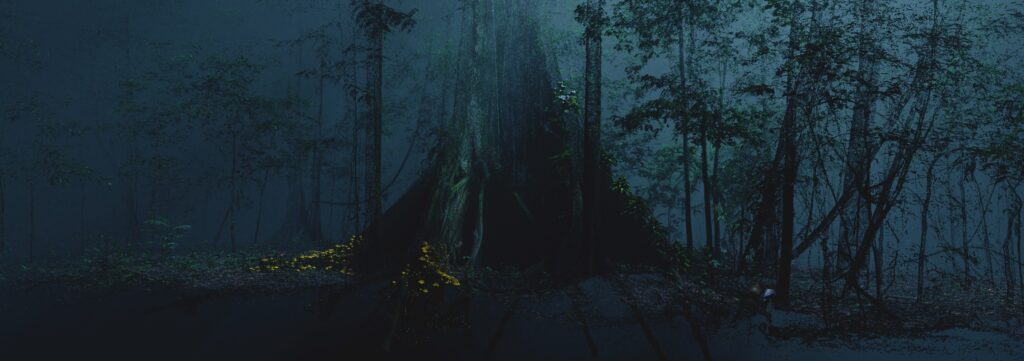
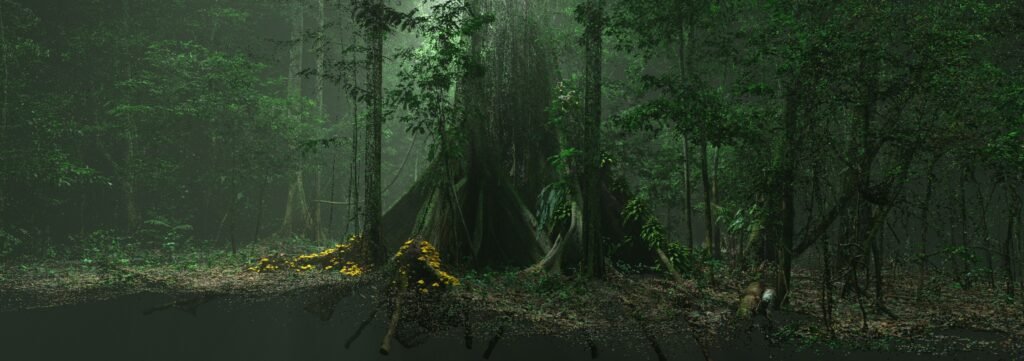
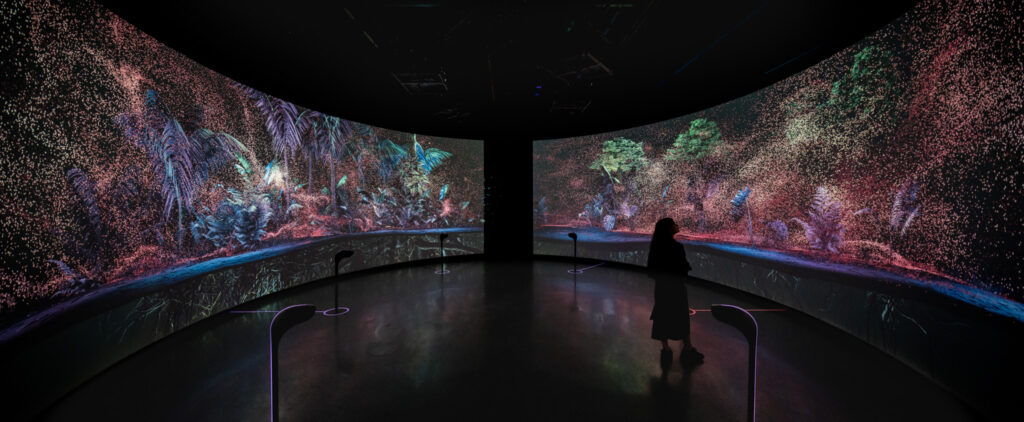
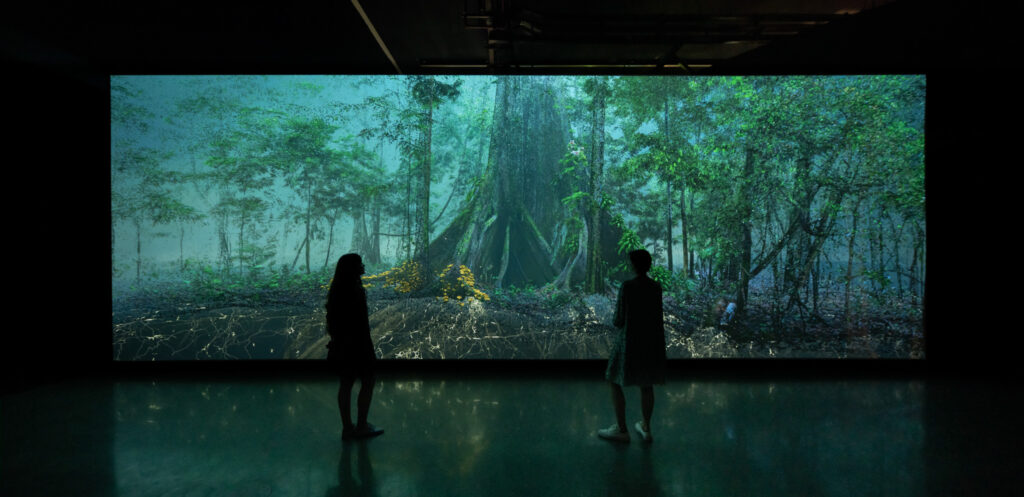
The journey continues into an immersive representation of the Amazon rainforest. Thousands of animated point clouds form a responsive landscape anchored by a towering Ceiba pentandra (Kapok tree), a keystone species within tropical ecosystems.
Visitors move freely through the space, observing the flow of carbon, water, and oxygen from roots to canopy and into the atmosphere. Ecological processes such as carbon sequestration, nitrogen fixation, water cycles, and mycorrhizal networks are visualised as living systems rather than static information. As visitors move, hidden networks of interdependence become visible, revealing the rainforest as a dynamic, interconnected organism.
Room 3 — The Library
Conceived by Superflux and produced in collaboration with Marshmallow Laser Feast and Atelier Bruckner
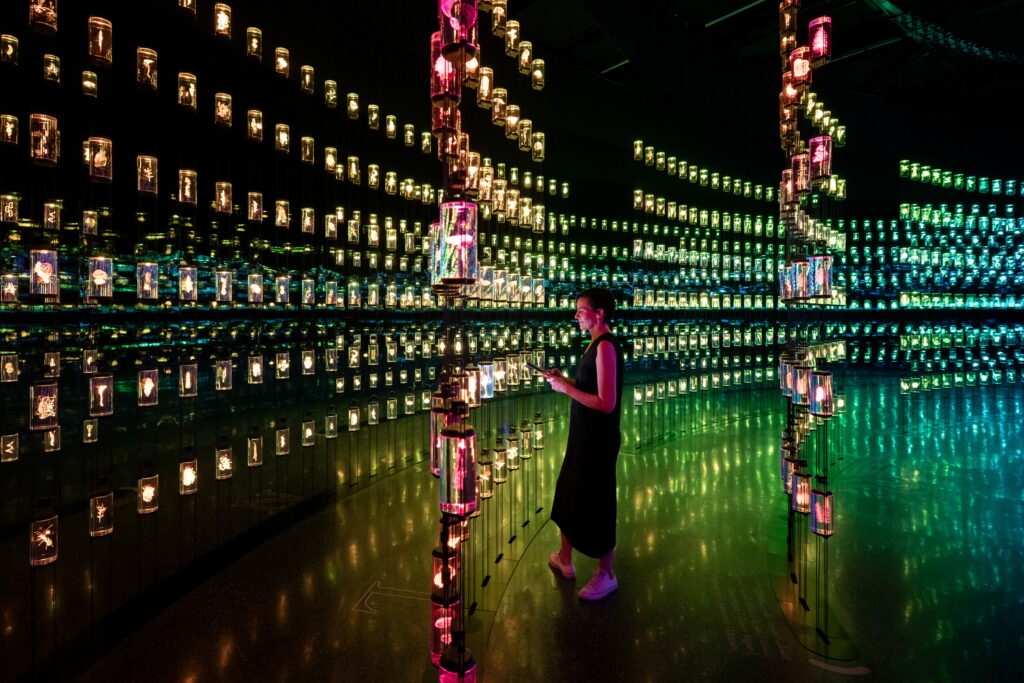
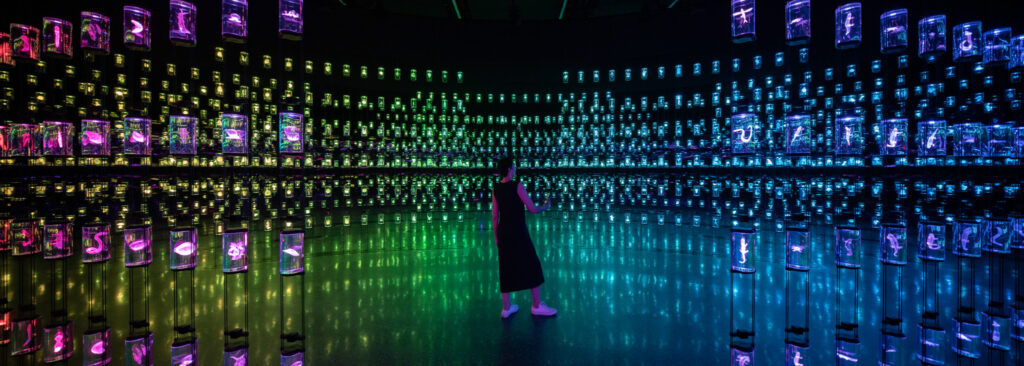
The Library is a vast living archive of biodiversity. Over 2,400 laser-engraved crystal vials house genetic codes of extinct, existing, and emerging species, forming a speculative snapshot of life on Earth in 2071.
Using the Biosynth, visitors scan specimens to access information and explore relationships between organisms. The space is accompanied by a 48-channel spatial audio composition created from Amazon rainforest field recordings, with localised, synthesised sounds distributed according to taxonomic groupings. The result is a contemplative, immersive environment that conveys both the abundance and fragility of life.
The Library invites visitors to consider biological, synthetic, and artificial futures, helping them grasp the scale of biodiversity loss while imagining humanity’s role in the evolution of Earth’s ecosystems.
Room 4 — The Lab
The Regeneration Lab
The Regeneration Lab offers a participatory ecosystem simulator where visitors actively intervene in a tropical environment. Drawing inspiration from advances in CRISPR and synthetic biology, the space explores the complexities of regeneration, showing how small changes can produce cascading effects across ecosystems.
Through a series of interactive stations, visitors introduce flora and fauna, adjust environmental variables, and observe outcomes in real time. Here, the Biosynth becomes a feedback device, closing the loop between action and consequence. The experience highlights both the potential and responsibility inherent in bioengineering, making complex scientific ideas accessible without prior knowledge.
Technical and Backend Design
The HEAL Institute integrates real-time data visualisation, interactive sensing, spatial computing, and responsive environments. Custom software drives dynamic simulations of climate systems, interspecies relationships, and ecosystem change, allowing visitor input to shape each environment directly.
High-resolution projection, generative visuals, and volumetric point-cloud rendering are combined with multichannel spatial audio. Motion tracking, object recognition, embedded electronics, and networked systems link physical and digital layers across all spaces into a unified experience.
Experience Design
Experience design focused on pacing, agency, and legibility. Visitors move from observation to interaction, from immersion to intervention, gradually building an understanding of ecological complexity without didactic instruction. Multisensory elements — sound, scent, light, and touch — support learning through embodied perception, encouraging reflection and emotional engagement.
At its core, The HEAL Institute repositions technology not as a tool of extraction, but as a mediator of understanding. Beyond By transforming ecological knowledge into participatory experience, it invites visitors to move beyond observation toward responsibility.
As part of the wider Museum of the Future, The HEAL Institute offers a grounded counterpoint to speculative futures, rooting imagination in the fragile, interconnected systems that sustain life on Earth. It positions the museum as a space not only for vision, but for care, reflection, and collective ecological thinking.
Credits
Concept: Marshmallow Laser Feast
Creative Directors: Ersin Han Ersin, Robin McNicholas, Barnaby Steel
Executive Producer: Eleanor (Nell) Whitely
Executive Producer: Mike Jones
Senior Producer: Carolina Vallejo
Technical Director: Michael McKellar
Technical Director: Louis Mustill (Artists & Engineers)
Technical Producer: Derek Rae
Concept Producer: Ulla Winkler
Assistant Producer: Fay Lenehan, Ewelina Dziedzic
Art Directors: Ersin Han Ersin, Paul Mumford
Composer and Sound Designer: James Bulley
Sound assistant: Greg White
Architectural Designer: Irene Shamma, Madhav Kidao, Brando Posocco (Nebbia Works), Alexandros Tsolakis,
Product Designer: Tommaso Lanza (The Workers)
UX/UI Designer: Fabio Catapano, Tommaso Lanza, Nicholas Myers (The Workers)
UX/UI Producer: Margot Myers (The Workers)
Technical Leads: Adam Child, Chris Mullany, Randall Vazquez
Senior Developers: Sam Twidale, Felix Faire, Lucas Moskum, Jorge López, Maksym Bezus
Graphic Developers: Chris Mullany, Felix Faire, Sam Twidale, Sebastian Monroy, Nils Johannesson, Stephen Henderson, Robert Lynam
Umbraco Developers: Craig Stevens, Adam Prenders
Electronics Engineer: Arron Smith (Artists & Engineers)
Lead Houdini Artist: Erik Ferguson
Houdini Artist: Quentin Corker-Marin
Houdini Technical Artists: Lewis Saunders, Rosie Emery
Art development: Modjtaba Ouriee, André Zakyha
Storyboard Artist: Silvia Ospina
Scent Design: Grace Boyle (The Feelies)
Scientific Illustrations: Dominique Vassie
Scientific Advisors: Sir Ghillean Prance, Romie Littrell, Dominique Vassie, Flávia Pezzini, Andrés Barona, Fernando Trujillo, Marco Ehrlich, Clara Peña, Lucy Rowland, Joice Ferreira
Finance: Harriet Wharton, Matthew Dale
Studio Manager: Aisha Saeed
Studio Administrator: Amin Noor
Lidar Scanning: Egmontas Geras and Patrick Perez
Lidar Processing: Zachary Mollica
BTS filmmaker: Silvia Lorenzini
Ground Producer Amazon: Adriana Bueno, Gary Botero
Guides: Arnildo Araujo (Neguinho), Carlos Botero
Special Thanks to Eden Project, Sam Smit, Dr. Jo Elworthy, Merlin Sheldrake