
We Live in an Ocean of Air
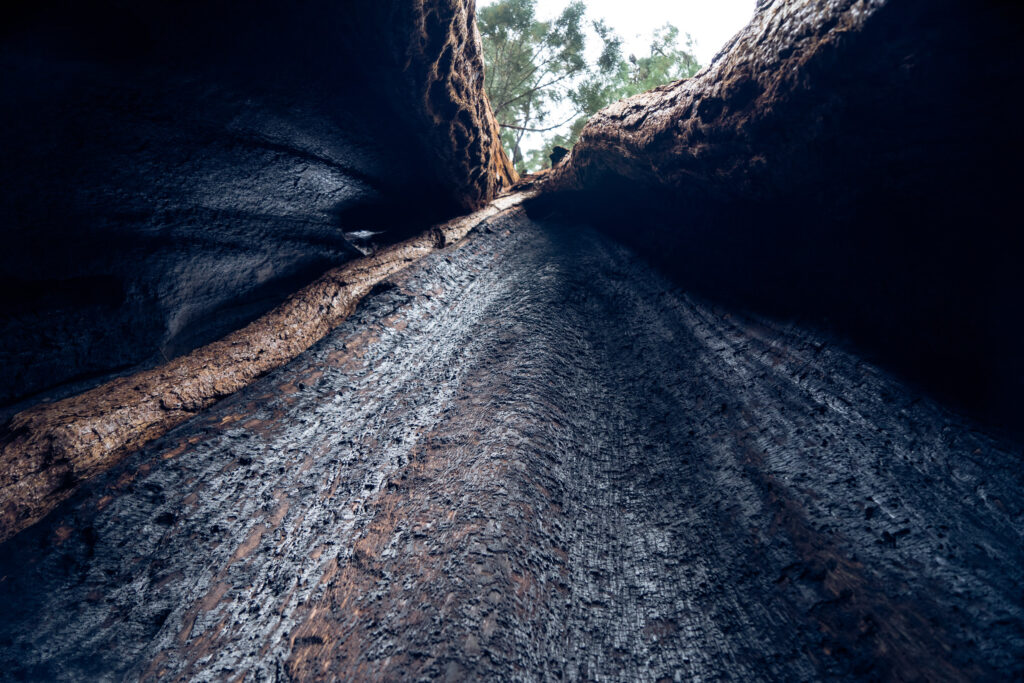
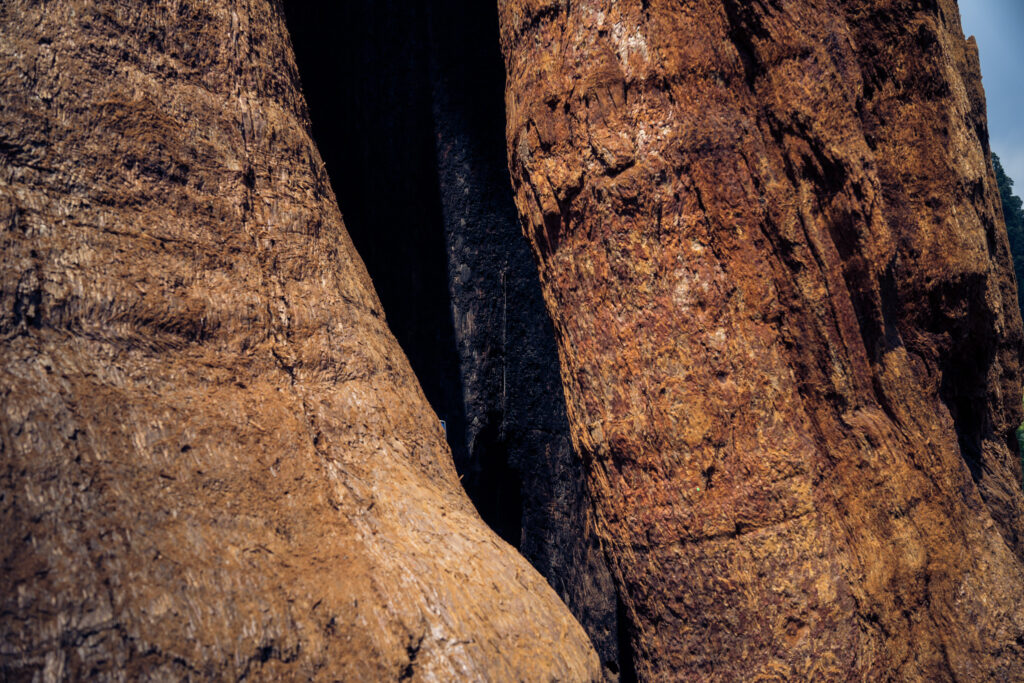
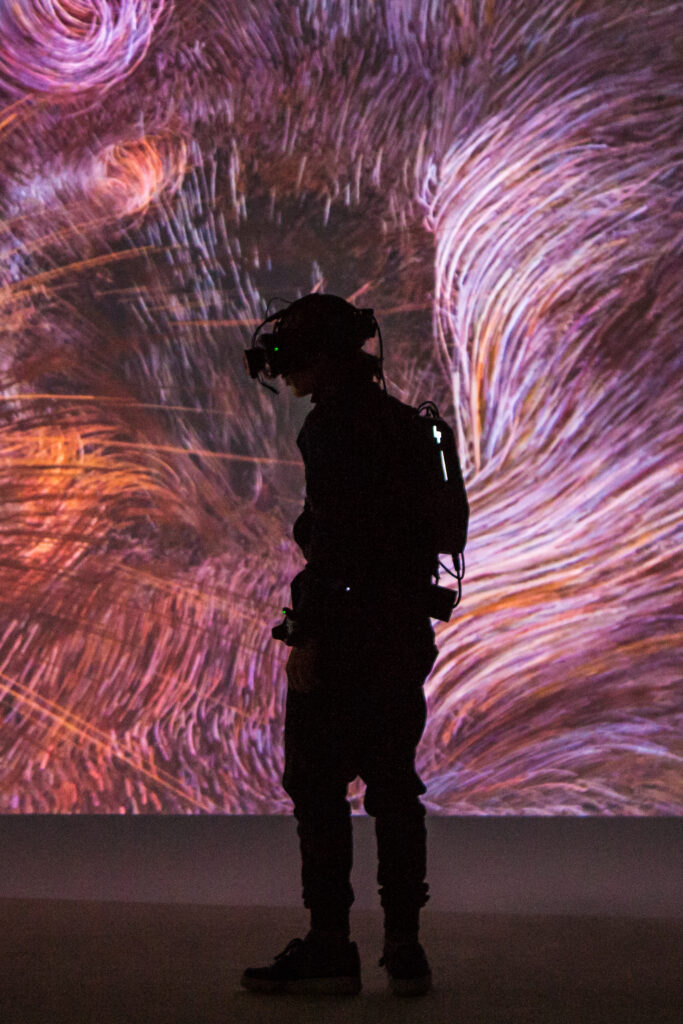
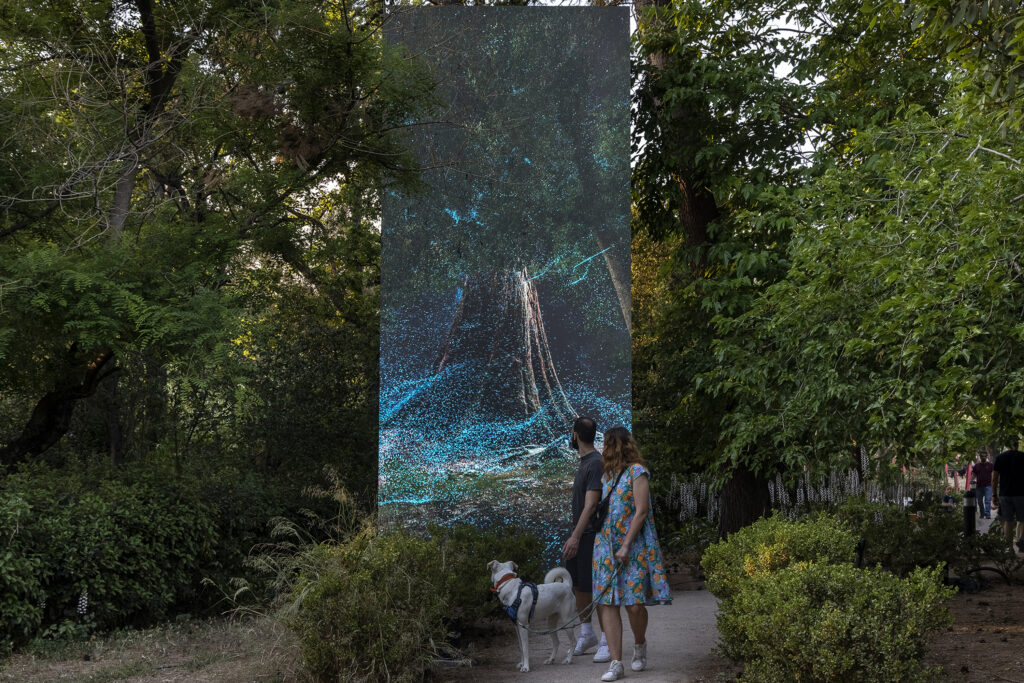
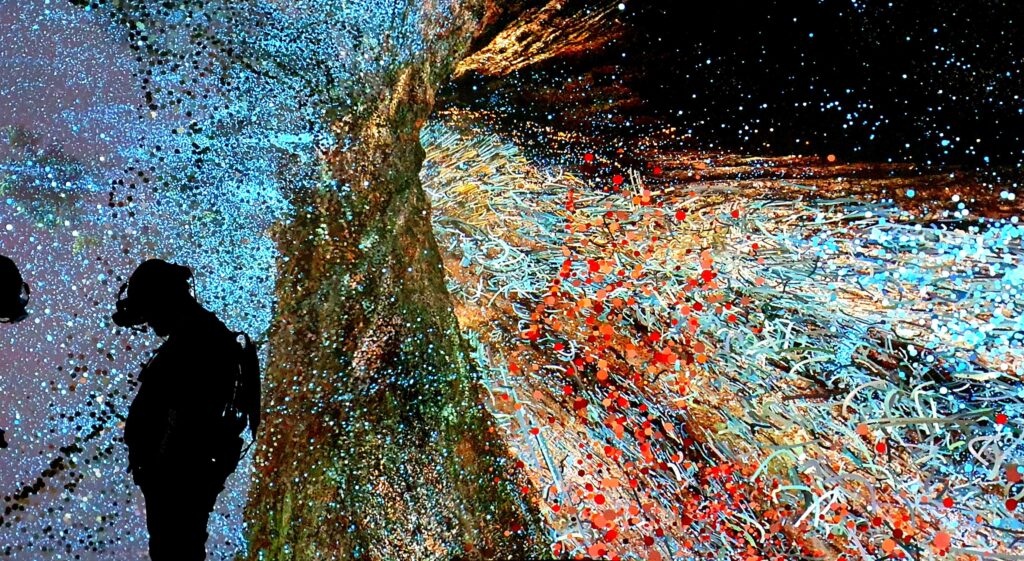
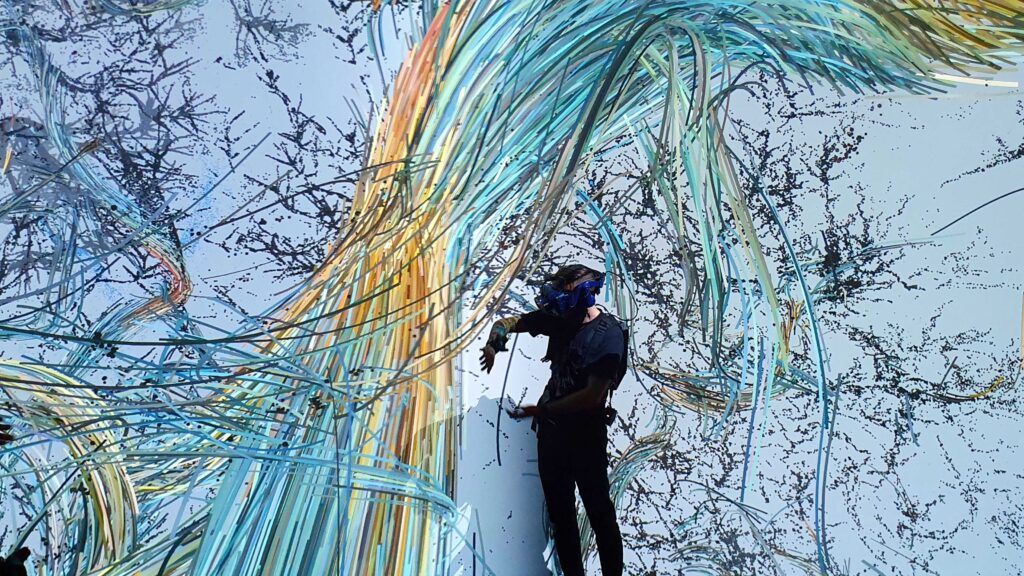
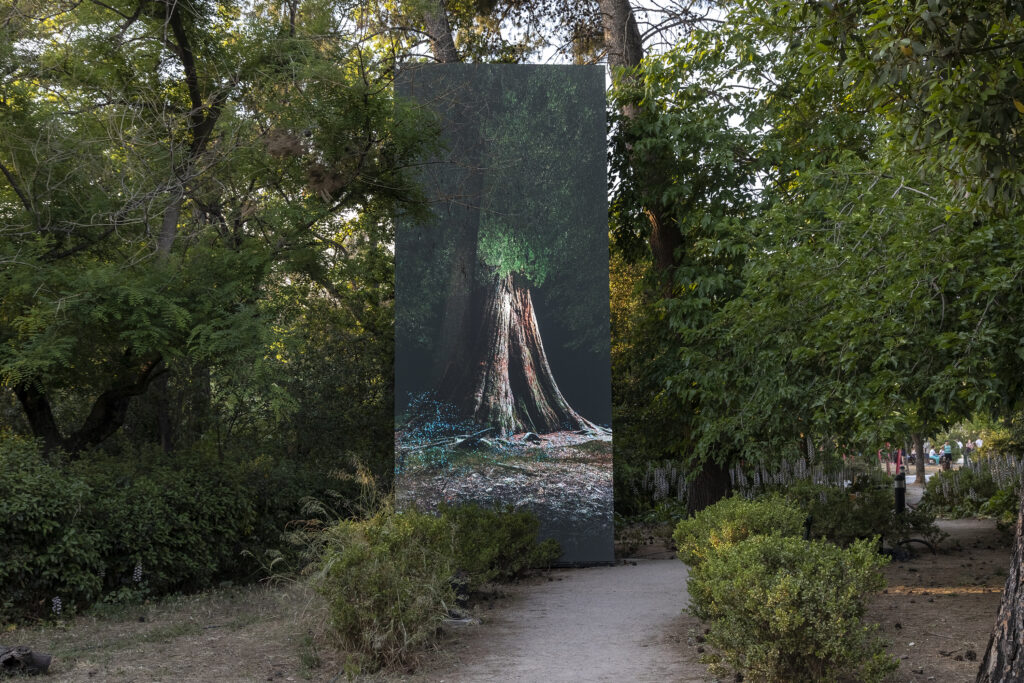
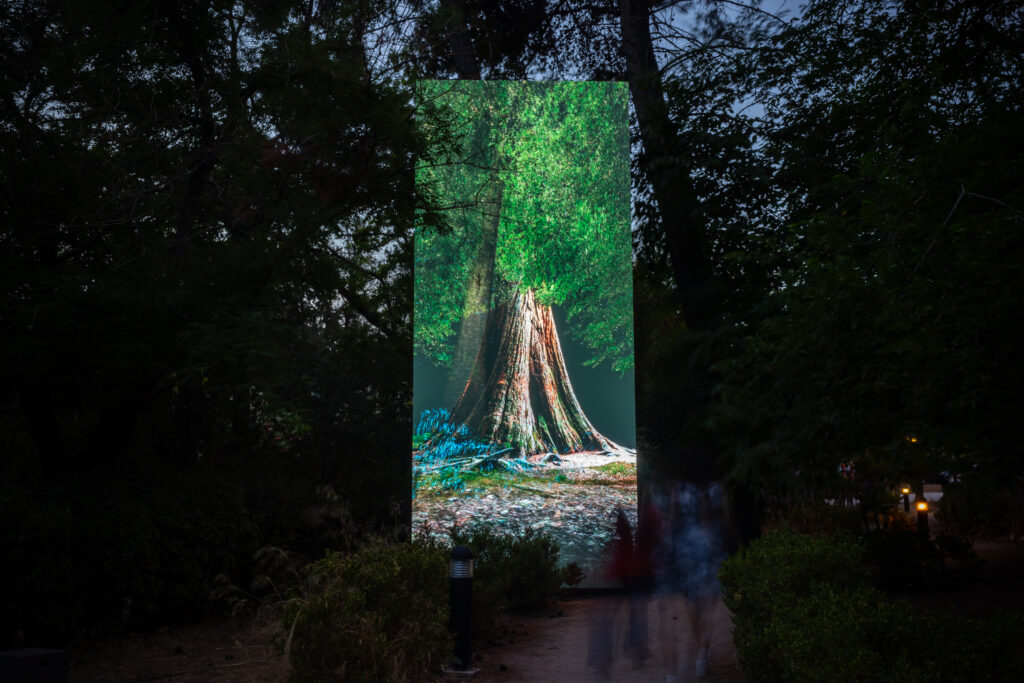
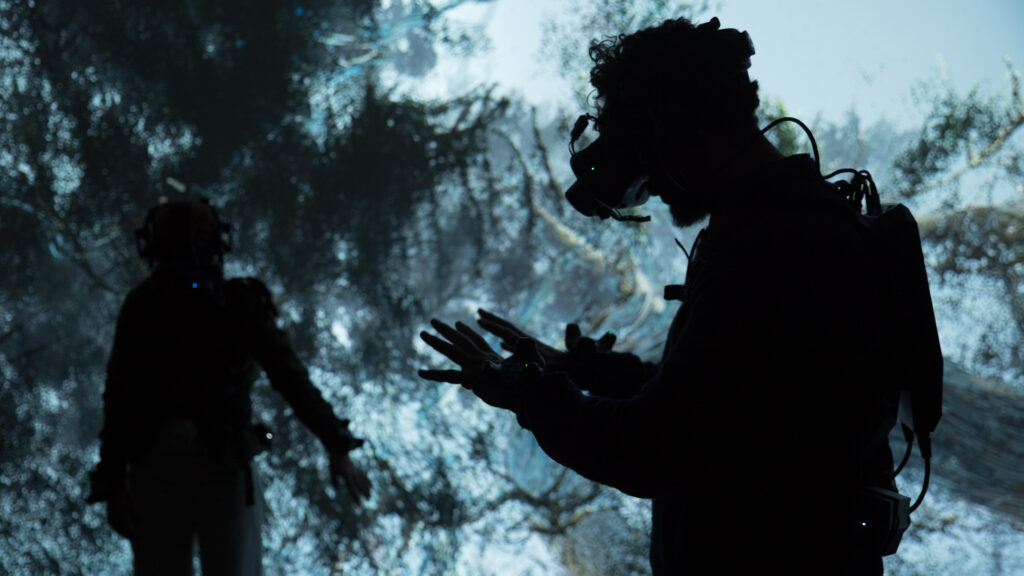
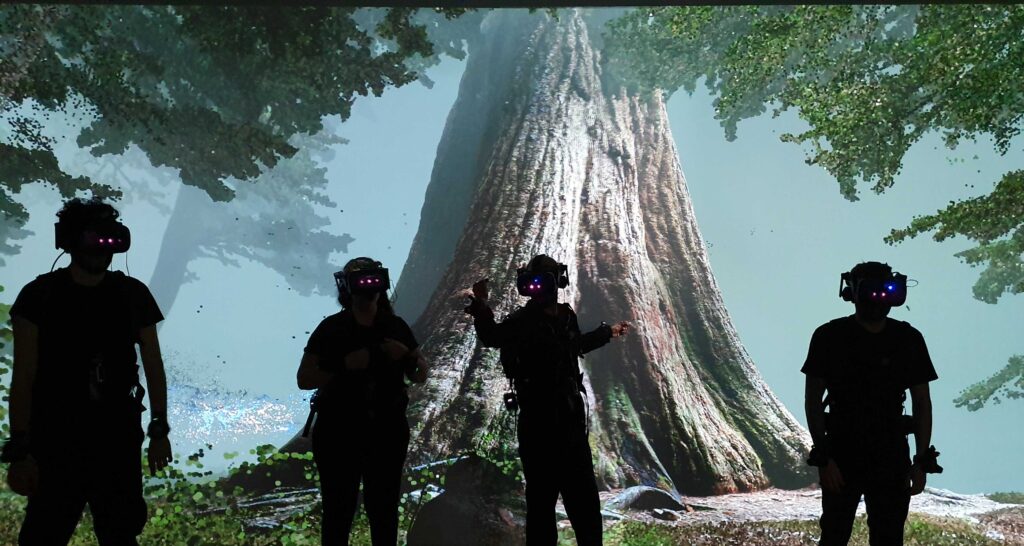
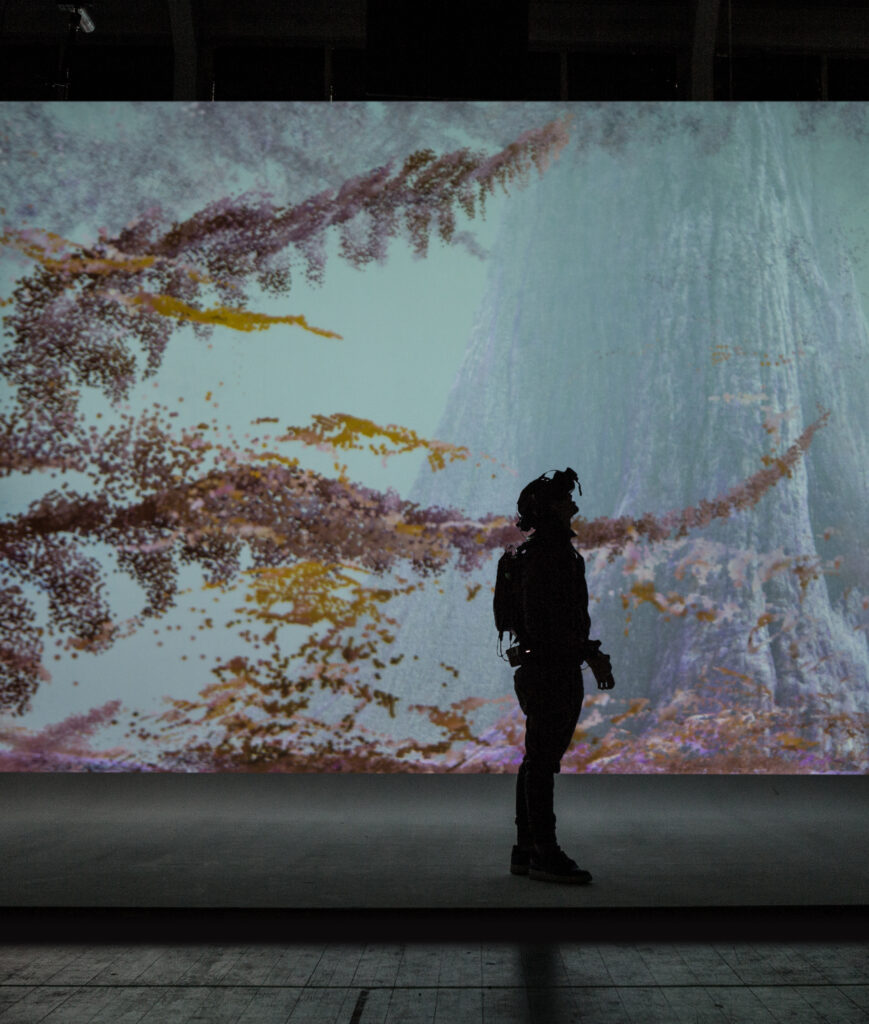
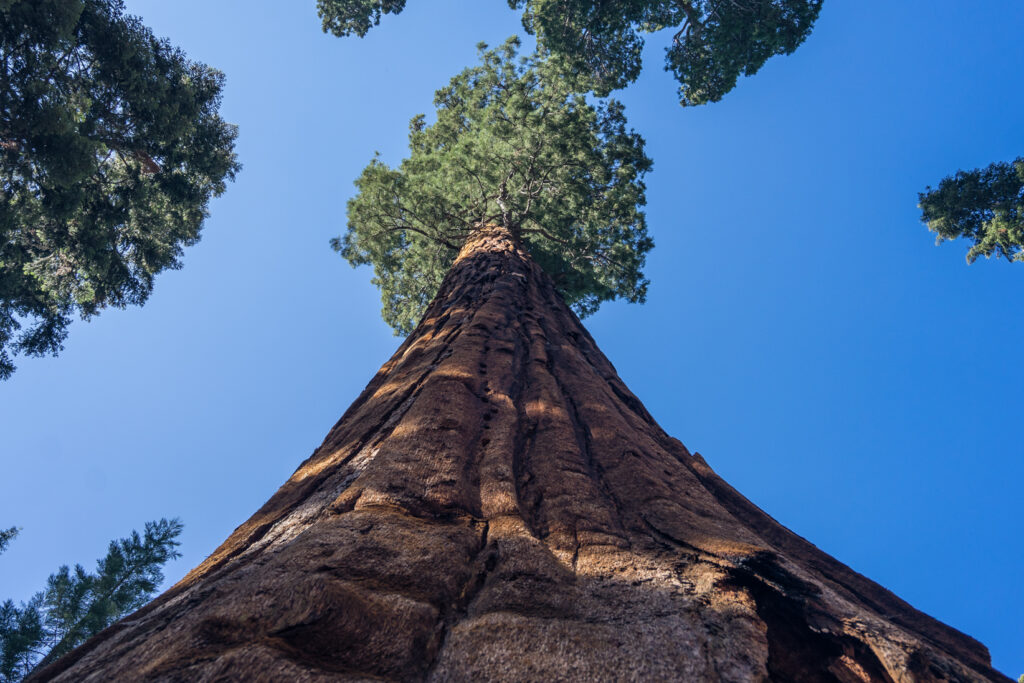
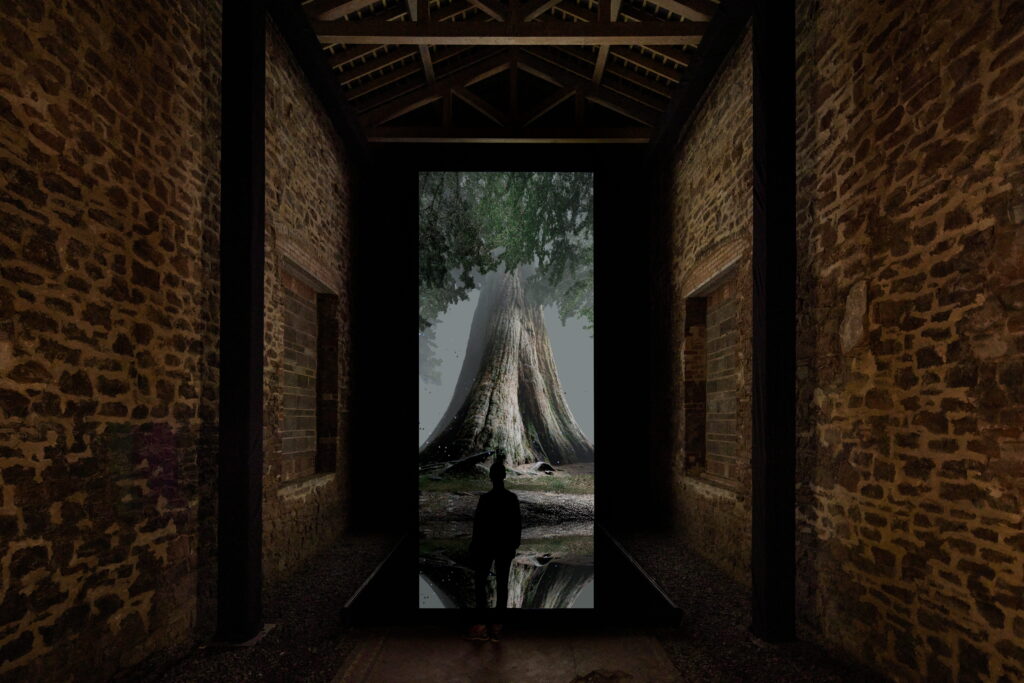
We live in an Ocean of Air is a multi-sensory immersive installation where the invisible connection between plant and human is revealed through breath. It illuminates the invisible- but fundamental- connections between human and the natural world. Audiences are transported to one of the oldest forests on Earth and witness the majestic power of the largest organism to ever exist – the giant Sequoia tree.
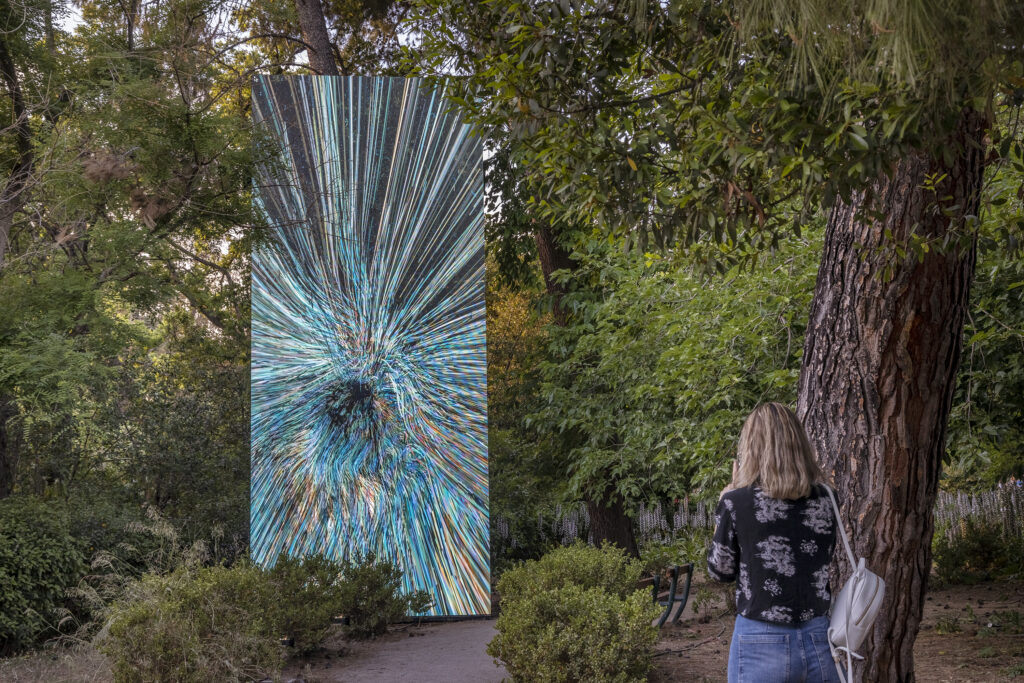
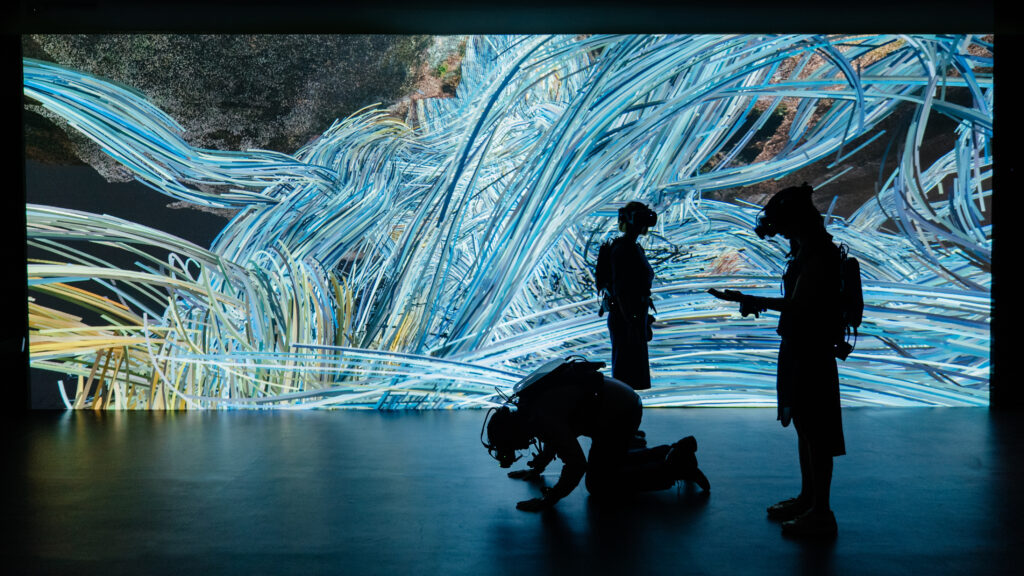
We Live in an Ocean of Air is a multi-sensory immersive installation where the invisible connection between plants and humans is revealed through breath. The tree’s cardiovascular system interacts with the mirrored natural networks that unite the forest: nutrients flow in and out of leaf, phloem and mycelium, placing our every inhale and exhale of the forest into a larger reciprocal system.
Enquire about presenting this artwork
We live in an Ocean of air is available as Edition at bitforms gallery
Artist Statement
From the food we eat, the water we drink and the air we breathe, humanity’s dependence on the natural world is absolute. The protection and regeneration of ecosystems is fundamental to our collective futures. Yet statistics and facts do little to change behaviours, develop new perspectives or create new stories. We live in an Ocean of Air reveals a global system that intimately ties animal and plant, humans and the natural world, into a wondrous rhythm that underpins life on Earth.
The human cardiovascular system interacts with the mirrored natural networks that unite the forest: capillaries, arteries and mitochondria flow into leaf, phloem and mycelium, placing our every inhale and exhale within a larger reciprocal system.
There have been up to ten mass extinction events in the Earth’s history. Nearly all have been caused by an imbalance between oxygen and carbon dioxide: too much oxygen and things get cold; too much carbon dioxide and things get hot. In an age where excess carbon dioxide is fuelling climate change, the simple act of breathing can engage us with this cycle in an intimate way, and in doing so help us reflect on our dependence and responsibility to the organisms we share the planet with.
It may also re-engage us to the 2700 litres of oxygen-laced blood that circulates our body each day – and to the indebtedness we owe to the fallen autumnal leaf.
The Science Behind the Experience
Plants take CO2, water and sunlight and turn it into organic matter in a process called photosynthesis. They release oxygen as a waste product. Animals eat the plants and break them down using oxygen to get energy in a process called respiration. They release CO2 and water as waste products.
One process provides the raw materials for the other. It works so neatly that mice (and even humans, although don’t try this at home) can live in a sealed jar if there’s a plant inside.
Currently oxygenic photosynthesis is the only natural process known that can sustain the super-high concentration of atmospheric oxygen (21%) found on Earth.
Exhibition History
2023/2024 Works of Nature, ACMI, Melbourne, Australia (23 Nov – 14 April), Video Edition
2022 ArtScience Museum, Singapore (28 May – 2 Oct) – Virtual Reality
2022 Plásmata: Bodies, Dreams, and Data, Onassis Foundation, Athens, Greece (23 May – 10 July) – Video Edition
2021/2022 PHI Centre, Montreal, Canada (29 Sep – 16 Jan) – Virtual Reality
2021 Observations on Being, Coventry, United Kingdom (22 June – 26 Aug) – Video Edition
2018/2019 Saatchi Gallery, London, United Kingdom (7 Dec – 5 May) – Virtual Reality